Lesson 13: Reading Opponent Discards – The Foundation of Table Awareness
1. Why Discard Reading Matters
Discards are the most accessible window into an opponent’s intentions. They show direction, hand progress, and risk levels long before a win is declared. If you’re still learning how efficient patterns work, it helps to review the Hand Structure Foundations lesson on your site for context. A general overview of gameplay flow can be found on the Mahjong entry on Wikipedia, which provides a useful neutral reference about tile movement and round structure.
2. Early Discards vs. Late Discards
Early Discards — often low-risk
Example early discard pattern:



These tiles rarely contribute to flexible shapes early on.
Late Discards — high-information tiles
A late discard like:
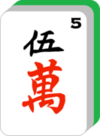
This often means the opponent’s hand no longer needs that tile because their structure is nearly complete.
3. Reverse Reading: Pay Attention to What They Keep
Discards reveal what players don’t want. Silence reveals what they do want.
If someone throws:



…but never discards bamboo, that absence is a directional signal. Bamboo tiles immediately become higher-risk options.
4. Honor Tile Signals
Honors that remain unthrown deep into a round typically indicate value attempts.
If no one discards:
…it’s usually dangerous.
For an overview of tile categories, the Mahjong Tiles section on our website explains the distinction between suits, winds, and dragons.
5. Key Takeaway
Discards tell a story. Early discards explain preference; late discards warn of danger.
6. Practice Drill
Identify one opponent and ask:
“Which suit have they avoided discarding?”
That suit often carries elevated risk.