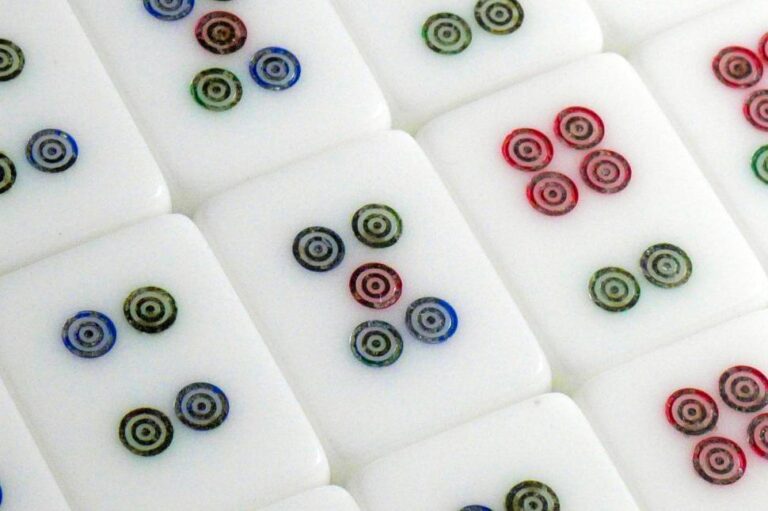
Lesson 1: Mahjong Hand Structure Essential Guide
A Mahjong table can look mysterious at first — tiles arranged in rows, calm confidence across the table, a rhythm you haven’t learned yet. But beneath the elegance is a simple truth every beginner must know:
Understanding the Mahjong hand structure is the foundation of becoming a confident, modern Mahjong player.
Once you know what a winning hand is made of, everything else — efficiency, tile choice, improvement paths, and decision-making — becomes clearer. Patterns emerge, hesitation drops, and your tiles begin to “speak” to you.
What Is the Basic Mahjong Hand Structure?
Most modern Mahjong styles build a 14-tile winning hand from the same framework:
Four melds + one pair
This structure stays consistent across:
- Chinese Mahjong
- Riichi Mahjong
- Western hands without card-based patterns
- Most casual rule sets
A meld is one of the following shapes:
Pong — Three of a Kind
Three identical tiles:

Chow or Chi — 3-Tile Sequence in a Suit
A run like 3–4–5 Bamboo:


Kong — Four of a Kind
A 4-tile version of a pong:

Pair — Two Identical Tiles
Every winning hand needs exactly one:

Example: Full Hand Structure (4 Melds + 1 Pair)
Here’s a complete, simple 14-tile hand example:
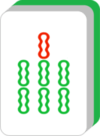
Meld 1 — 3–4–5 Bamboo
Meld 2 — 6–7–8 Bamboo


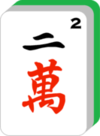
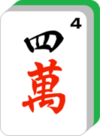
Meld 3 — 2–3–4 Characters
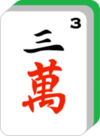
Meld 4 — Pong of 9 Dots

Pair — Red Dragons

Full hand (all tiles together):
This is the shape every beginner must internalize.
Why Hand Structure Matters
Most beginners struggle not because the game is hard — but because they look at tiles individually.
Structure brings clarity.
Once you focus on building melds and a pair, your decisions become more intentional:
- Which tiles improve your hand
- Which tiles are “dead”
- Whether you’re getting closer or farther from winning
- When to play fast
- When to defend or slow down
Structure is the blueprint that guides every expert-level decision.
Common Beginner Mistakes (and How Structure Fixes Them)
❌ Keeping too many random tiles
Structure teaches you to commit to patterns.
❌ Incorrectly mixing triples and sequences
Structure shows you which shapes belong together.
❌ Forgetting the required pair
Structure ensures you always know what you’re missing.
❌ Holding isolated honors too long
Structure helps you identify low-value tiles early.
❌ Not recognizing multi-tile improvement paths
Structure reveals where opportunity exists.
Understanding the mahjong hand structure reduces overwhelm and increases speed and accuracy.
Seeing Shapes Instead of Tiles
Here are examples you can use to illustrate “shape thinking”:
Inside Run — Most flexible shape
Outside Edge — Only improves one direction


Two-Sided Wait — Strong improving shape
Mixed Hand Piece (semi-useful pattern)


When students begin to “see shapes,” their game improves dramatically.
How Structure Accelerates Skill Growth
Once the 4-meld + 1-pair framework becomes instinctive, players can:
- Count tiles to win
- Predict which tiles opponents need
- Choose the best discard instantly
- Build more efficient hands
- Recognize dangerous tiles
- Reduce decision fatigue
- Develop stronger strategy faster
Structure builds confidence. Confidence builds speed. Speed builds mastery.
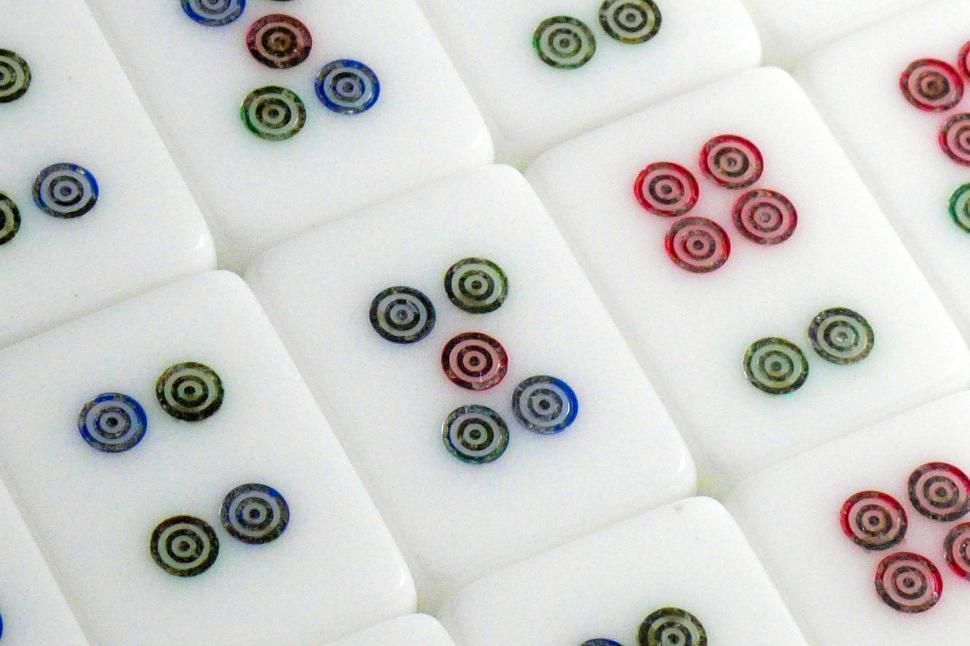
Mahjong becomes far more intuitive once beginners repeatedly practice identifying melds and pairs in real tiles. Spending just a few minutes each session scanning for possible sequences, triples, or pairs helps you internalize the Mahjong hand structure much faster. Over time, these patterns appear instantly—without effort—allowing you to play with more confidence and clarity.
Final Thoughts
Mastering the Mahjong hand structure is the first and most essential step in your learning journey. Everything you learn in later lessons — efficiency, tile value, discard priority, reading opponents, advanced shapes — all grow from this foundation.
With this structure in mind, you’re ready for Lesson 2.
New to the game? Start with our Beginner’s Guide to Mahjong. You may also find this article on Wikipedia useful to help you understand more about Mahjong.