Lesson 2: Mahjong Tile Classes Made Easy – Suits, Honors and Terminals
Mahjong tiles can feel overwhelming at first — different symbols, unfamiliar names, and multiple tile types all mixed together. But once you understand how tiles are grouped and what each group represents, the entire game becomes far more approachable.
In this lesson, you’ll learn how Mahjong tiles are classified, why those classifications matter, and how experienced players use this knowledge to read hands more quickly and make better decisions at the table.
Preview
All Mahjong tiles belong to one of a few core categories, and learning these categories is one of the most important early steps in becoming a strong player.
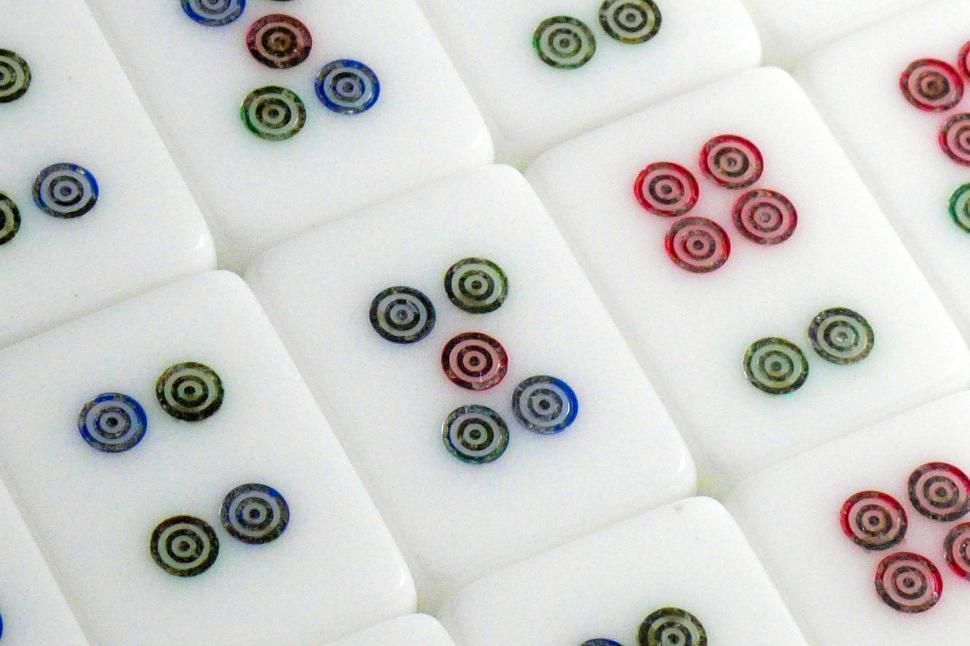
First, we’ll look at the suited tiles — the numbered tiles that form the backbone of most Mahjong hands. These tiles are organized into three suits, each numbered from 1 through 9. While they function similarly, each suit has its own visual identity and strategic implications. Understanding how suited tiles connect into sequences and sets will help you recognize potential hands faster and avoid common beginner mistakes.
Next, we’ll introduce honor tiles, which work very differently from suits. Honor tiles do not form sequences and instead rely on matching sets. This group includes directional tiles and special symbol tiles, and they play a unique role in both scoring and hand structure. Many new players struggle with honors at first, not because they are complex, but because they follow different rules than suited tiles.
You’ll also be introduced to terminal tiles, a concept that often gets overlooked early on. Terminals are the edge tiles — the 1s and 9s of each suit — and they significantly influence which hands are possible and which strategies are realistic. Some hands require terminals, while others specifically exclude them. Knowing when terminals help or hurt your hand is a key strategic skill.
By the end of this lesson, you won’t just be able to name tile categories — you’ll understand why tile classification matters. You’ll start to see Mahjong hands not as random collections of tiles, but as structured systems with clear rules and patterns.
Inside the full lesson, we go deeper into how these tile classes interact, how they affect real decision-making during play, and how to train your eye to recognize them instantly at the table.
Unlock the Full Lesson
This lesson requires a Core membership. Continue inside Mahjong Academy with the complete strategy breakdown, real-hand examples, and guided decision-making.
Already a member? Log in to access the full lesson.